
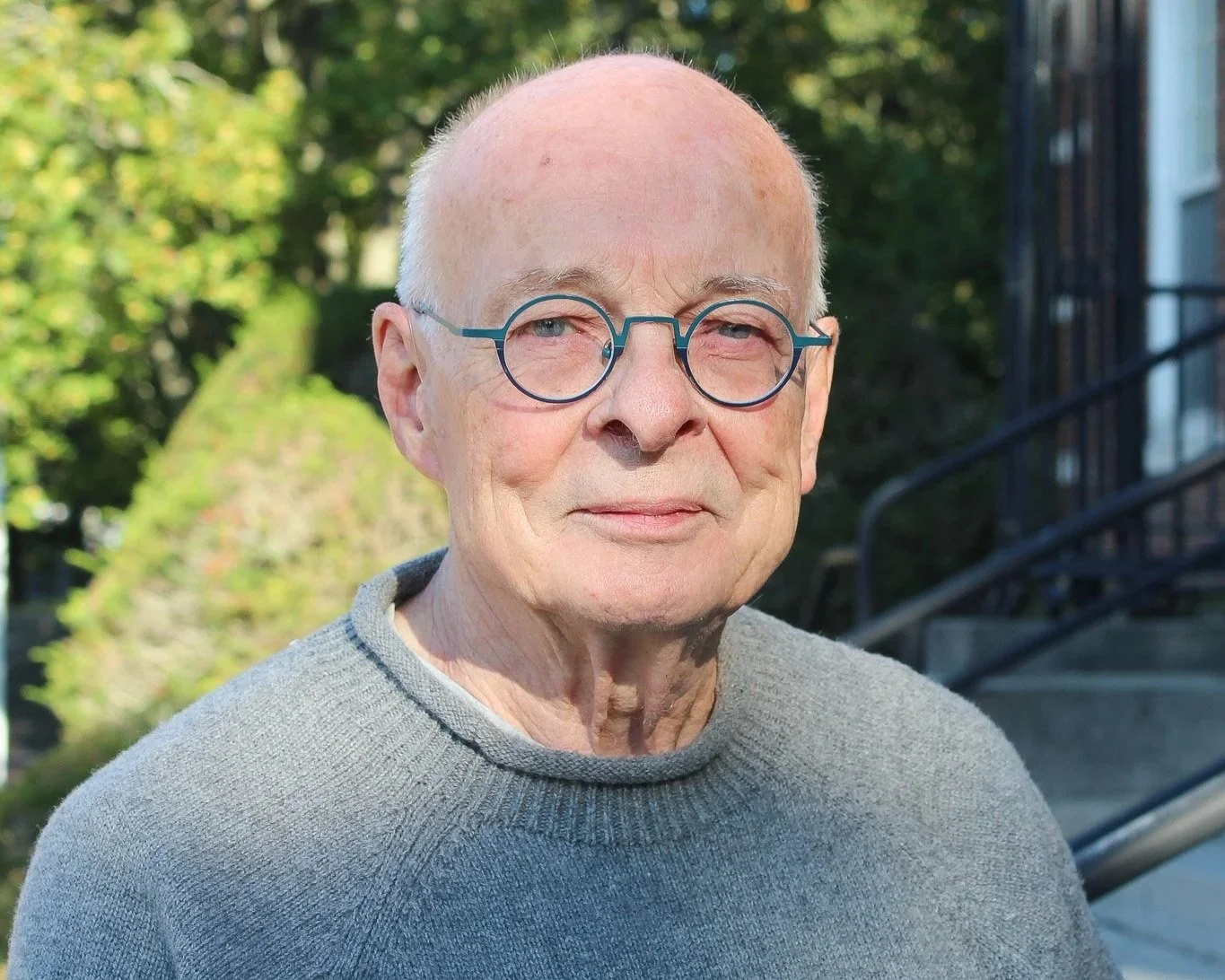
For our next edition of Commute Voices, we’re featuring Mark Peterson, an Advisory Member of the Watertown TMA Board of Directors who brings a thoughtful, community-minded perspective to commuting.
Mark sees part of his role on the board as encouraging others to take part in planning and activities that help reduce reliance on single-occupancy vehicles. That same mindset carries into his own routine as well.
Commute as Unique as the Commuter
Mark’s commute may not look like everyone else’s, but that is part of what makes it so relatable. As he puts it, maybe all commutes are unique. In addition to his board involvement, Mark runs a small post-retirement business as a photographer and printer in Boston’s South End, in the SoWa district. Because he generally makes his own schedule, he is especially mindful of how he uses his commuting time.
To get into Boston, Mark takes the 73 bus to Harvard Square, transfers to the Red Line to Broadway, and then walks a few blocks to Harrison Avenue. While the trip takes some time, he has found real value in the rhythm of it. Instead of focusing on traffic or steering, he uses that time to settle into the day—going over email, checking his schedule, reading the news, reviewing current projects, and sometimes even fitting in a little reading for pleasure.
Finding Value Along the Way
There is also a small moment in the trip that stands out. When the route crosses the Charles, Mark makes a point to look up and take it in. It is a simple detail, but one that captures something important about commuting without a car: Sometimes the ride itself offers moments you would otherwise miss.
Mark also appreciates the role that transit apps now play in making the experience easier. Knowing exactly when the bus is coming means you can stay inside until the last minute instead of waiting outside and wondering.
Choosing the Right Option for Your Route
When it comes to commuting in Watertown more broadly, Mark offers a practical insight. He notes that non-car travel tends to work especially well for east-west trips, while north-south travel can be more challenging. For commuters whose route is primarily east-west, trying transit, biking, or another alternative to driving may be easier than expected and can make a real difference for both personal costs and the broader community. For north-south trips, though, a little more creativity may be needed.
A More Thoughtful Way to Commute
Mark’s story is a good reminder that commuting is not always just about getting from one place to another as quickly as possible. Sometimes it is about finding a routine that works for your schedule, using travel time in a meaningful way, and staying open to options that can benefit both you and your community. His perspective shows that even a longer transit trip can offer its own kind of value—a calmer start to the day, a moment to look up at the river, and a chance to move through the region a little more thoughtfully.